There are children who are ready to learn, eager to understand, and willing to try—but distance quietly stands in their way. In several pockets of our cities, especially around labour settlements and temporary housing areas, even reaching a structured learning space becomes a challenge. Not because these children lack interest, but because access itself becomes a barrier.
A young girl finishes her school day and returns to a place where there is no environment to study. The nearest learning support centre is too far, the roads are unfamiliar, and the responsibility of helping at home often takes priority. Days pass, and slowly, learning begins to weaken. Concepts remain half-understood, doubts remain unanswered, and the gap continues to grow.
For many such children, the issue is not willingness—it is reach. Education exists, but it does not reach them in time, in the right way, or in a consistent manner. Over time, this distance begins to shape their confidence. They start believing that falling behind is natural, that struggling is normal, and that progressing is meant for others.
But when learning begins to move towards them, something powerful changes.
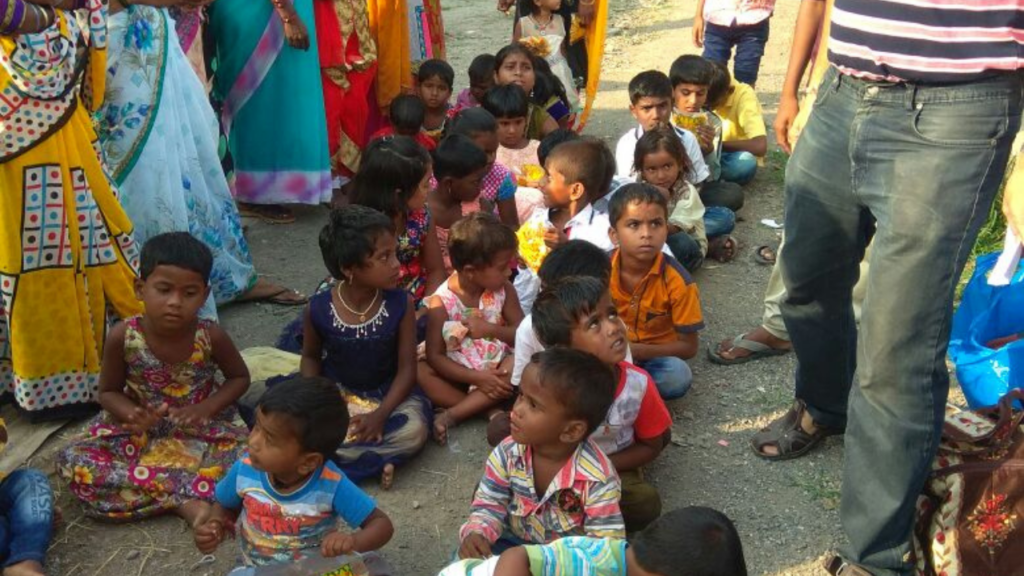
A mobile learning setup enters their area, bringing with it books, guidance, and structured support. What once felt distant now becomes part of their daily surroundings. Children gather with curiosity, unsure at first, but slowly opening up to the idea that learning can happen right where they are.
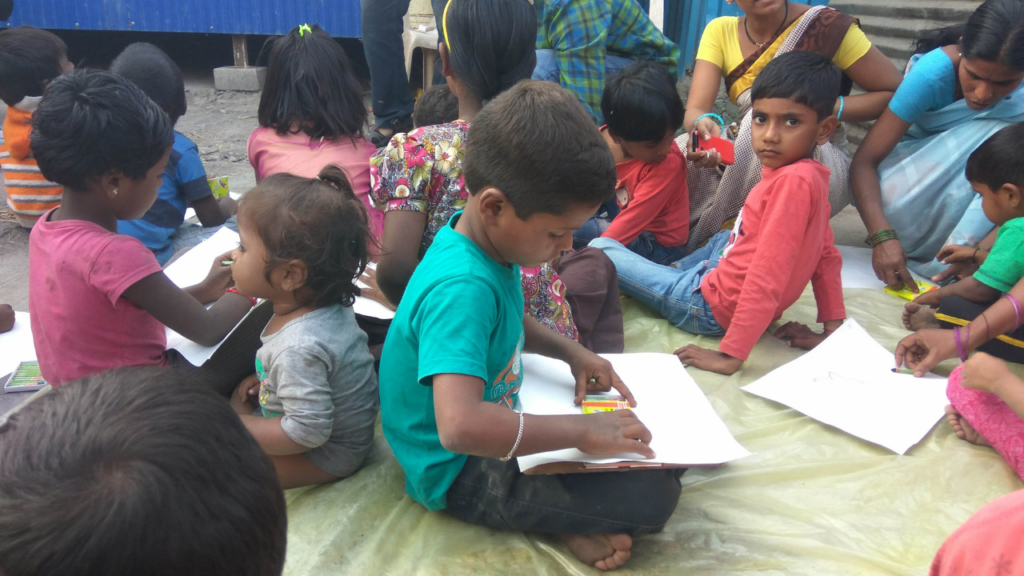
The atmosphere shifts. There is interaction, there is energy, and most importantly, there is continuity. Lessons are explained with patience, doubts are addressed without hesitation, and children begin to engage without fear. The space may be temporary, but the impact it creates is lasting.
With consistent support, children who once struggled to follow basic lessons begin to understand clearly. Their participation increases, their curiosity returns, and their confidence starts to rebuild. The idea that they can learn, grow, and improve begins to take root.
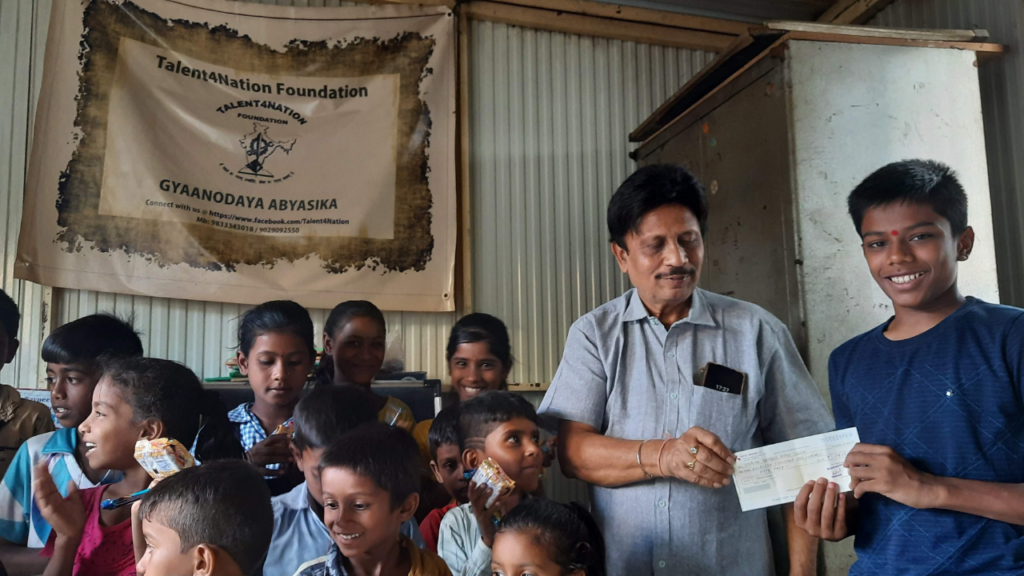
This change extends beyond academics. It creates a sense of inclusion. Children who once felt left out begin to feel seen and supported. They no longer feel distant from opportunities. Instead, they become part of a system that recognises their potential and nurtures it.
Families observe this transformation with quiet relief. A child who once had no structured routine for studying now sits with focus. There is more engagement with school, more interest in learning, and a gradual shift in mindset. Education begins to feel possible again.
Reaching every child requires more than intention—it requires effort that adapts to real situations. When learning travels to where it is needed, it removes barriers that once seemed permanent. It ensures that no child is left behind simply because access was limited.
This journey is about more than delivering lessons. It is about restoring belief. It is about creating equal chances for every child to learn, regardless of where they live or what challenges they face.
And when access becomes consistent, learning becomes strong. When learning becomes strong, confidence follows. And when confidence grows, it opens the path for a future that once felt out of reach.