In many corners of our cities, there are children who begin their day like any other student—getting ready, carrying a school bag, walking into a classroom. From the outside, everything appears normal. But the real struggle begins after school ends. They return to homes where learning has no space. Parents are occupied with earning a daily wage, often leaving before sunrise and returning late in the evening. In such homes, survival becomes the focus, and education quietly moves to the background.
A child sits with a textbook open, trying to understand lessons that were only briefly explained in school. There are questions, but no one to answer them. There is confusion, but no guidance to clear it. Slowly, interest turns into hesitation. Over time, hesitation becomes fear. A fear of failure, of being left behind, of not being able to keep up. This is how many children begin to disconnect from learning—not because they lack intelligence, but because they lack support.
In such realities, education becomes incomplete. It exists in attendance records, but not in understanding. It continues in classrooms, but stops at the doorstep of their homes. The gap between learning and comprehension widens with each passing day, quietly shaping a future filled with limitations.
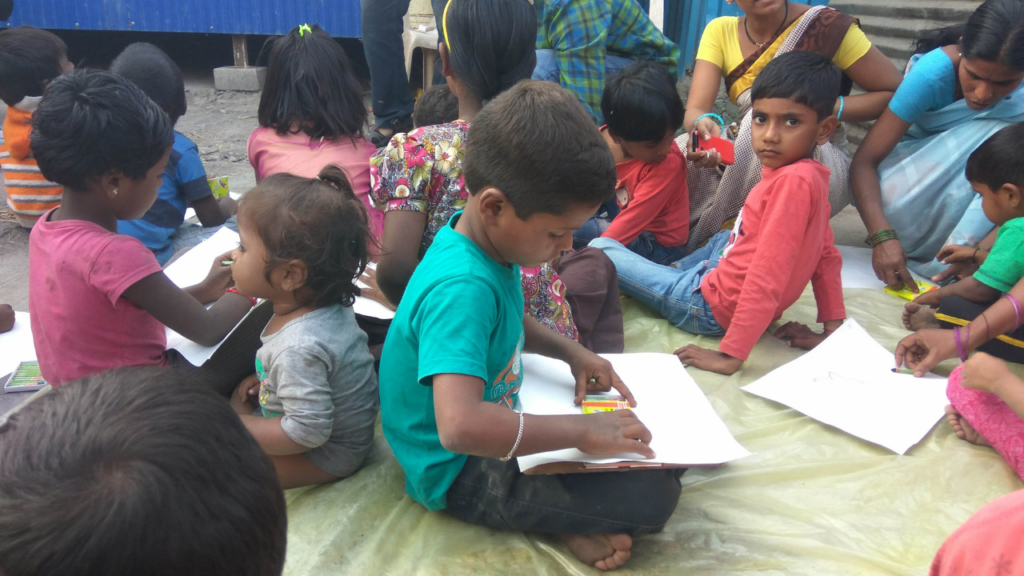
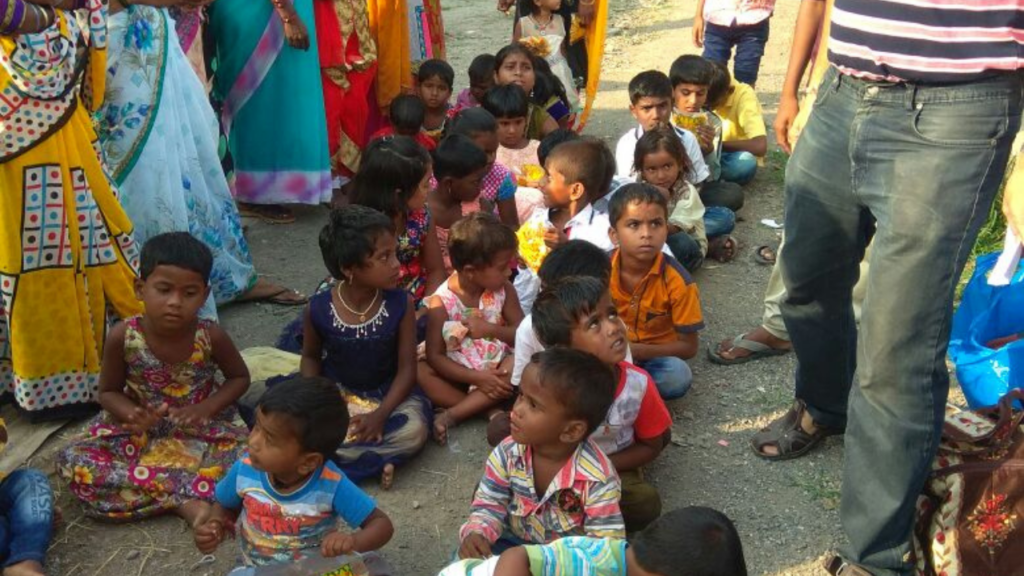
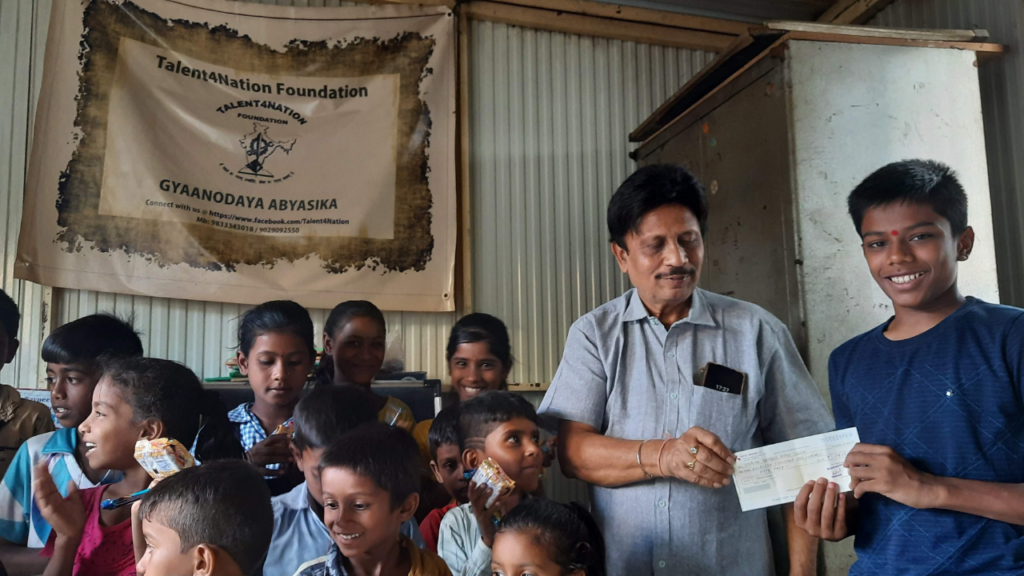
Then comes a moment where something changes—a space, a routine, a sense of direction. A place where children gather after school, not out of compulsion, but with a sense of belonging. Here, they are not alone with their doubts. They are guided, supported, and encouraged to try again. Questions are welcomed. Mistakes are corrected with patience. Learning begins to feel approachable.
Inside such spaces, the atmosphere is different. There is focus, there is interaction, and there is consistency. Subjects that once felt difficult slowly start making sense. A child who struggled to solve basic problems begins to understand step by step. Another who hesitated to read aloud starts gaining the confidence to speak. These changes may seem small, but for a child who once felt lost, they mean everything.
This belief becomes the turning point. It reflects not only in improved understanding but also in the way children begin to see themselves. They no longer feel left behind. They begin to participate, to express, and to take ownership of their learning.
Over time, the impact goes far beyond academics. Confidence starts to grow quietly. Children begin to carry themselves differently. They interact with more clarity, respond with more thought, and approach challenges without immediate fear. The transformation becomes visible in their behaviour, in their communication, and in the way they engage with the world around them.
Families begin to notice these changes. A child who once avoided studying now sits with focus. Conversations at home shift. There is more curiosity, more awareness, and more hope. Education starts to feel meaningful, not just for the child but for the entire family.
When learning finds its way into a child’s life in the right manner, it does more than improve school performance. It builds a foundation for self-belief. It creates individuals who are prepared to move forward with confidence, clarity, and purpose.
This journey is never about one moment or one effort. It is built slowly, through consistent support and an environment that allows growth. From understanding basic concepts to developing the confidence to apply them, every step matters.
And when a child begins to believe in their own potential, the impact extends far beyond one life. It begins to shape families, influence communities, and create a future where opportunity is no longer distant, but within reach.